Message from all three speakers is that with hydrocarbons on the horizon, Falkland Islands should have roadmap in place to implement over coming two years.
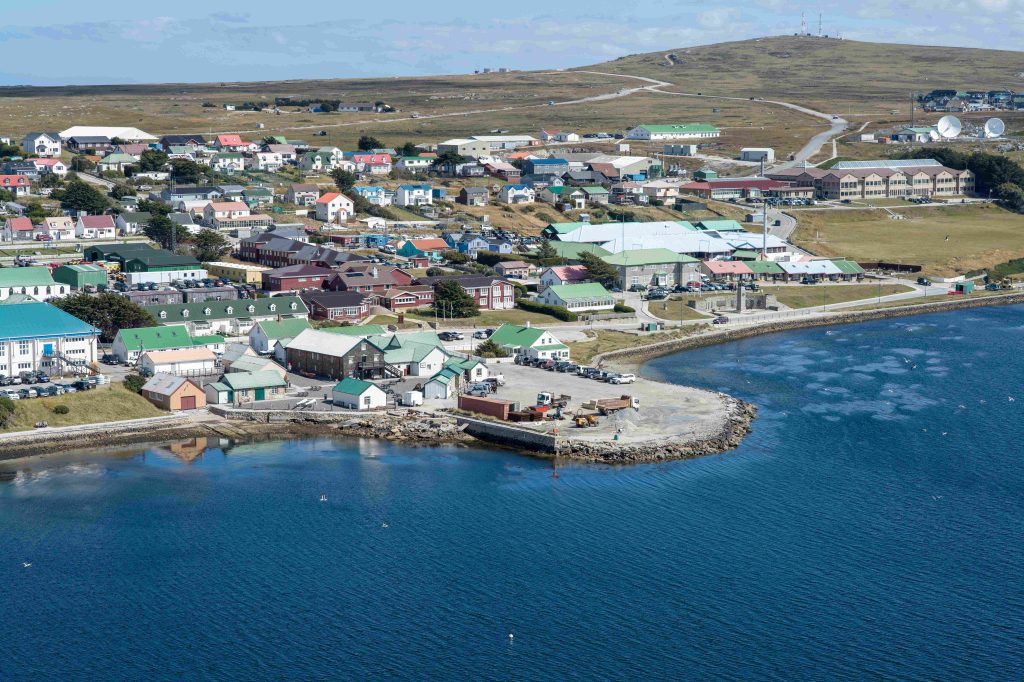
If oil is to come online in two years’ time, the Falkland Islands must be preparing now, and should have a clear strategy in place with its top priorities. That was the key takeaway from the second Falkland Islands Development Corporation (FIDC) Economic Development Forum, presented by the Falkland Islands Chamber of Commerce.
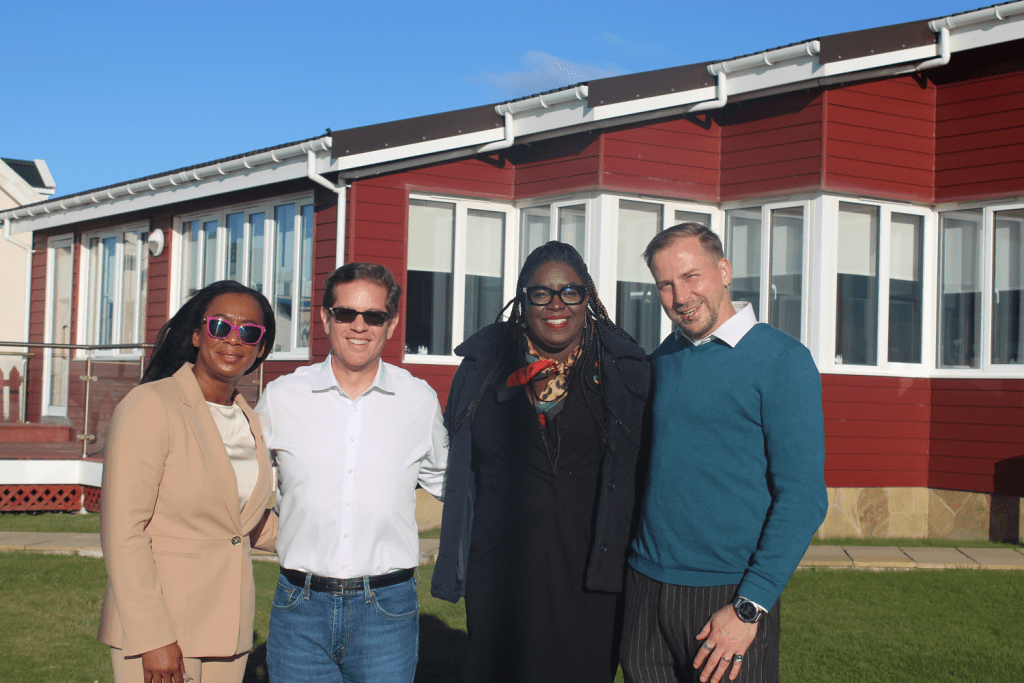
The Economic Development Forum brought together Kathy Smith, President of the Georgetown Chamber of Commerce and Industry (GCCI) in Guyana, Targ Patience, Chair of the Gibraltar Association for New Technologies (GANT) in Gibraltar, and Dr Geneve Phillip-Durham, Principal Consultant at R.E.A.C.H. Global Consulting in Cayman Islands, who each discussed hydrocarbons, telecommunications, and sustainability in their respective regions, and the possibilities these sectors offer for the Falkland Islands.

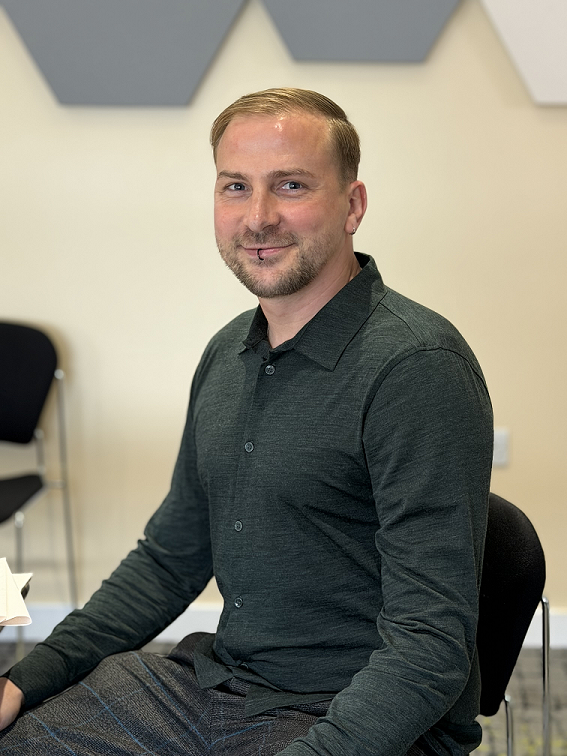
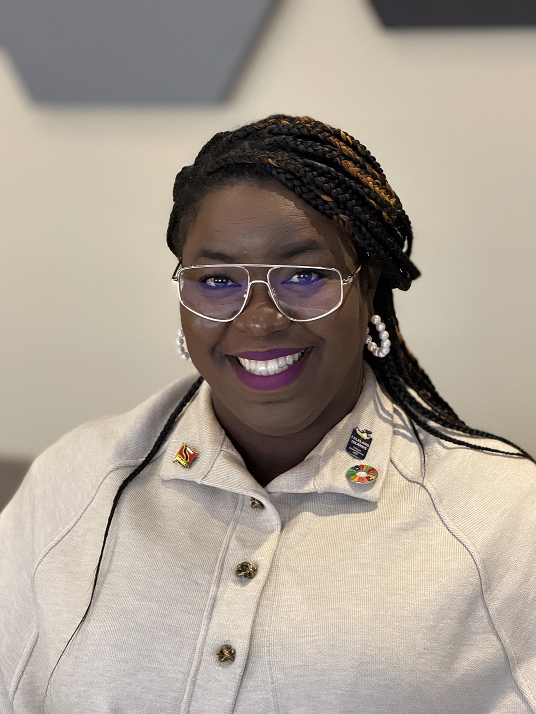
“This iteration of the Economic Development Forum is about addressing forward-looking industries, specifically oil, telecommunications, and sustainability,” said Zachary Franklin, Managing Director for FIDC, while updating the audience on FIDC’s current corporate plan, which FIDC is two years into, during opening remarks. “What we are looking at is how other regions have prepared for industrial change, and how some of their businesses cases may be applicable to the Falkland Islands.”
The free event, open to the public, gave allotted each speaker 1.5 hours to present to the audience at the HarbourLights Cinema in the Malvina House Hotel in Stanley, with time for questions from attendees. Additionally, the speakers held a follow-up 2.5-hour workshop for attendees on the subsequent three days.
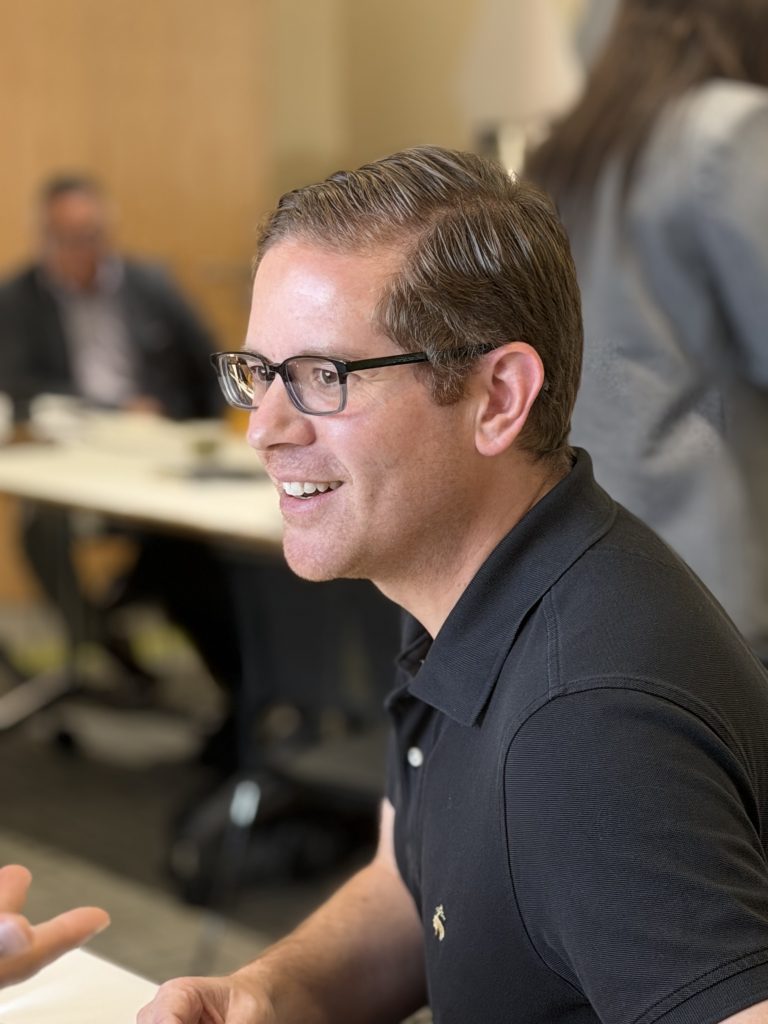
Each of the three speakers highlighted in some way the need for a prioritisation plan for the Falkland Islands in the ensuing years lest the government and business community want to remain reactive to pending events, and will miss key opportunities that will set the Falkland Islands for decades-long success.
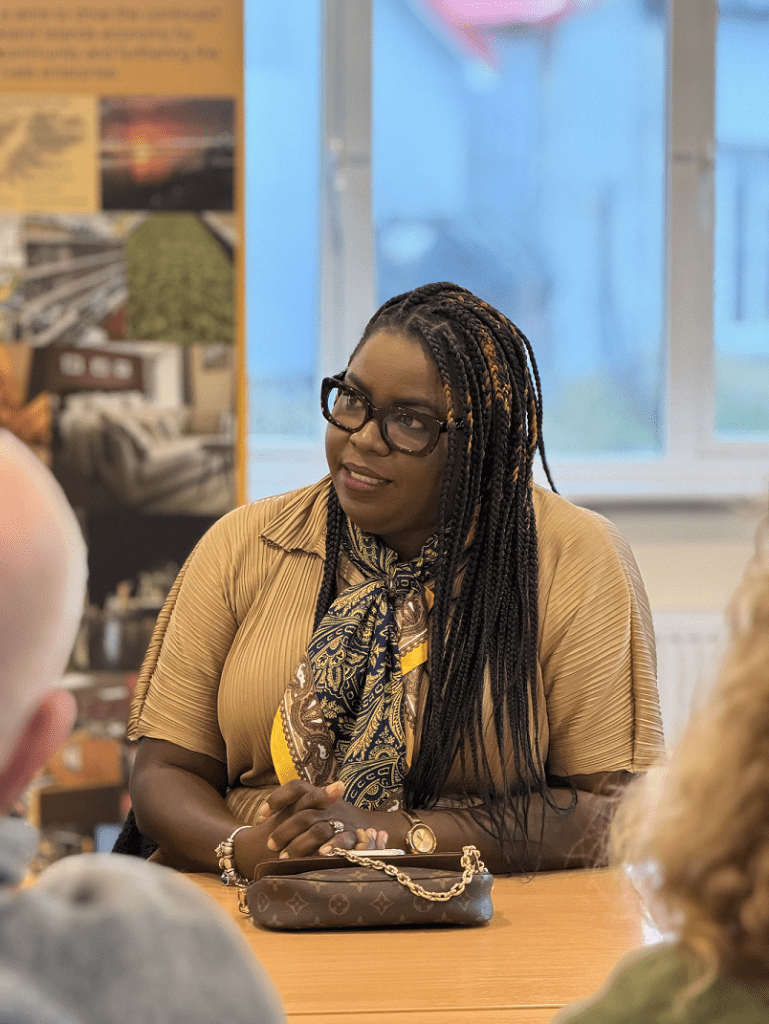
“I have been reading about the diversification of my home [Trinidad & Tobago] country economy since I was in university, and it never got beyond that point,” said Geneve Phillip-Durham, when describing the lack of planning in Trinidad & Tobago leading up to oil, and the time period when its hydrocarbon industry was thriving. “Had we diversified our economy, perhaps we could have benefitted from a successful oil and gas sector. Having a conversation about diversification from 1986 that has never been implemented, many small islands have the same challenge. They have an idea about diversification policies through election cycles, and you just never get to the legislative side, and most importantly, the implementation.”
Phillip-Durham emphasized having some kind of national development plan in place “post-hydrocarbon reality,” meaning after the Falkland Islands has begun extracting oil, which needs to be thought out and implemented now, prior to any oil and gas revenues.
According to Phillip-Durham, given the small population base of the Falkland Islands, it is imperative the Falkland Islands has a strong partnership between public and private sectors in order to make any proposed plans a reality, and an enabling environment to ensure that partnership is consistently, proactively engaged.
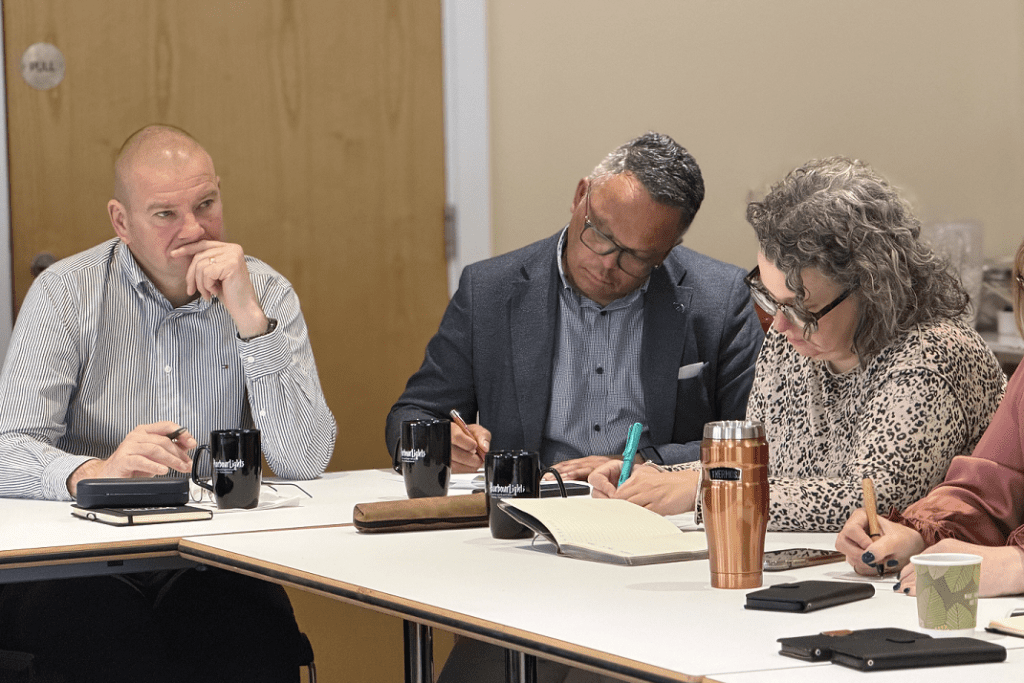
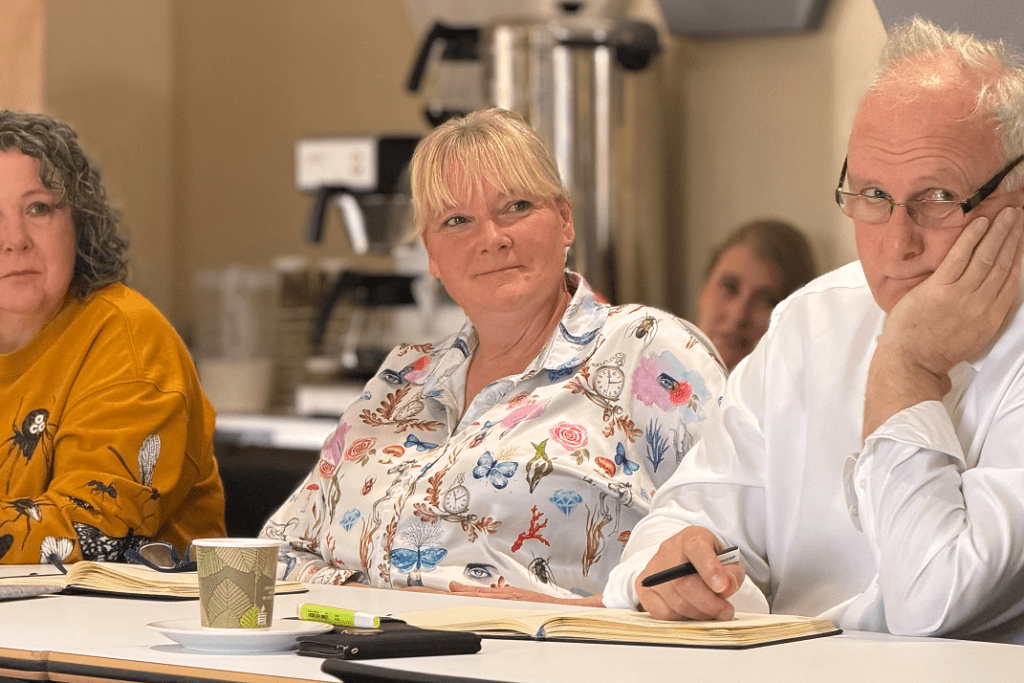
This type of planning is essential, according to Kathy Smith, when talking about the economic transformation that Guyana is currently undergoing since the discovery of oil in 2015, as the shift from a pre-oil economy to benefitting from the natural resource vaunted a number of industries, and Guyana is now seeing a considerable amount of economic diversity across its country.
“Pre-oil, Guyana was around 3-4 percent GDP, and in the early 1980s, the country was highly indebted,” said Smith. “The transition to oil was a celebration of change for Guyanese. By 2022, now a country with oil, Guyana had 62 percent GDP growth rate. Remember, coming out of COVID-19, countries were having single digit growth. But we’re now the fastest-growing economy in the world.”
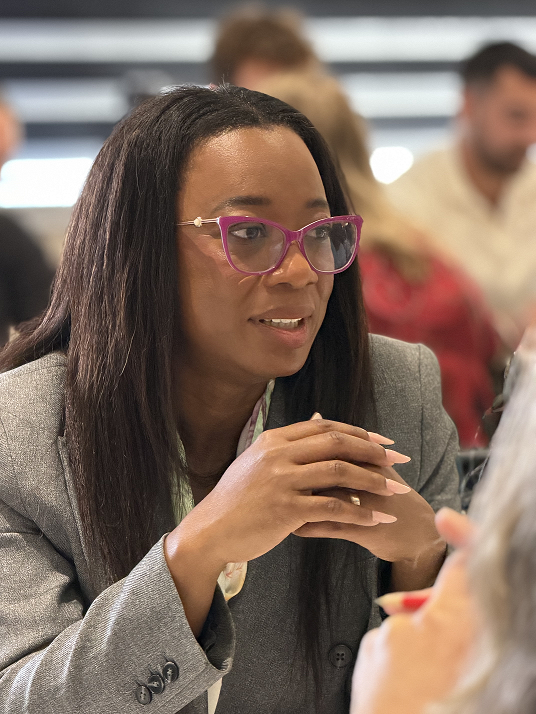
According to Smith, Guyana focused “on its people,” and deliberately enabled infrastructure development across the country, promoted re-education for its population so that skillsets aligned with an oil economy, and instituted both lending, grant and development bank financing programs so that local businesses at all levels could benefit.
“There has been considerable training provided by both the Guyanese government, and the oil company, which is focused on technical skills at a local level in Guyana,” said Smith. “And because many traditional banks can be conservative in their assessment of funding, the government has moved to ensure lending, grant funding, overdraft facilities are all available for businesses. It went so far as to set up a development bank specifically for small businesses who can access funding at low or no interest, and that is to push traditional banks to open their lending up more at the local level.”
For Smith, these steps were taken with the people in mind so that business, and by extension, the whole of the economy of Guyana, would develop from the presence of oil.
With the introduction of oil, and its revenue stream, the economy of the Falkland Islands could consider expenditures across public infrastructure that have traditionally appeared financially unsound, and in particular, those in telecommunications.
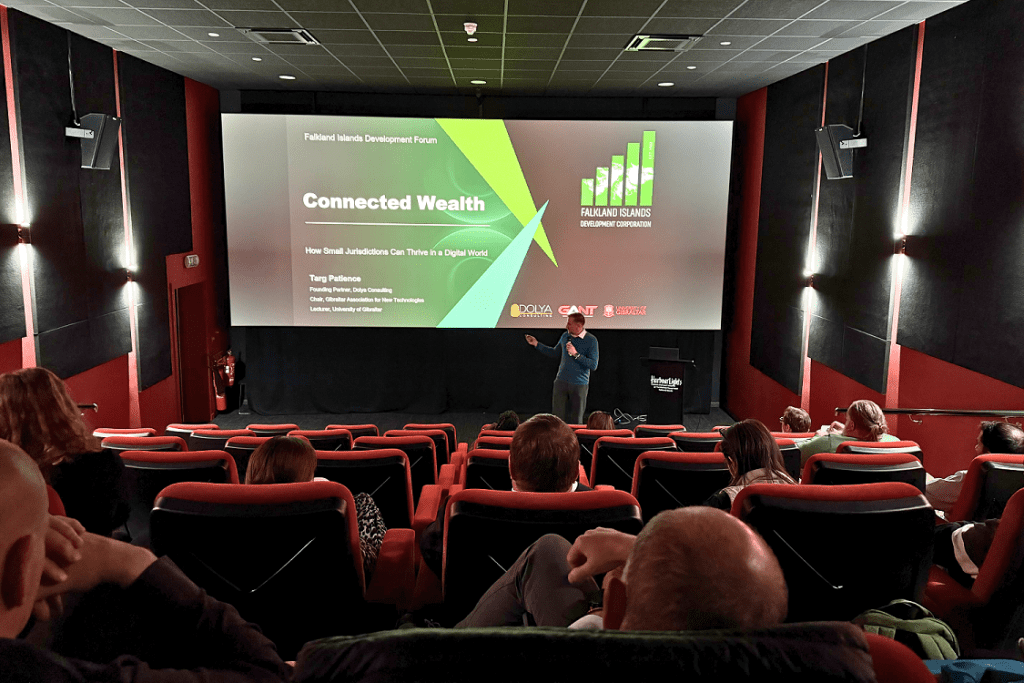
“Your business community, 44 percent according to the FIDC Business Climate Survey, is telling you that connectivity is the number one barrier to business growth,” stated Targ Patience, when looking at where the Falkland Islands is relative to oil, and the telecommunications changes that have taken place since Starlink was introduced to the economy. “Oil revenues make the idea of a subsea cable and greater connectivity a reality.”
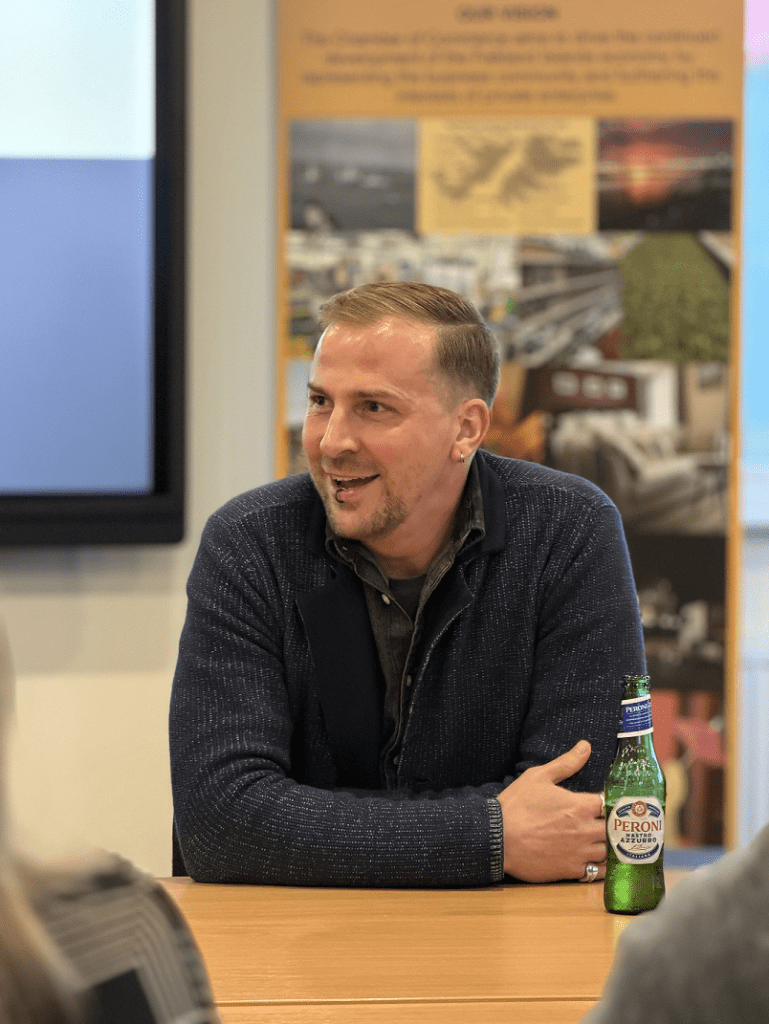
Delving into the situations of the Faroe Islands, Gibraltar, and Andorra as business cases, Patience noted how the Faroe Islands now has 100 percent 5G coverage, and Gibraltar is part of 15,000 kilometres of cabling running from the United Kingdom to India.
“When bandwidth stops being a barrier to growth, the digital economy can be a major area for economic diversification,” said Patience. “This includes artificial intelligence, which can provide access to global markets, the opportunity for new capabilities, particularly around research and analysis, and new business, where a one-person business has the capability that once required a team of 10.”
According to Patience, having a plan around the opportunities for connectivity can extend to all facets of the Falkland Islands, including the design and implementation of government policy and economy, environmental compliance and monitoring, and public financial management.
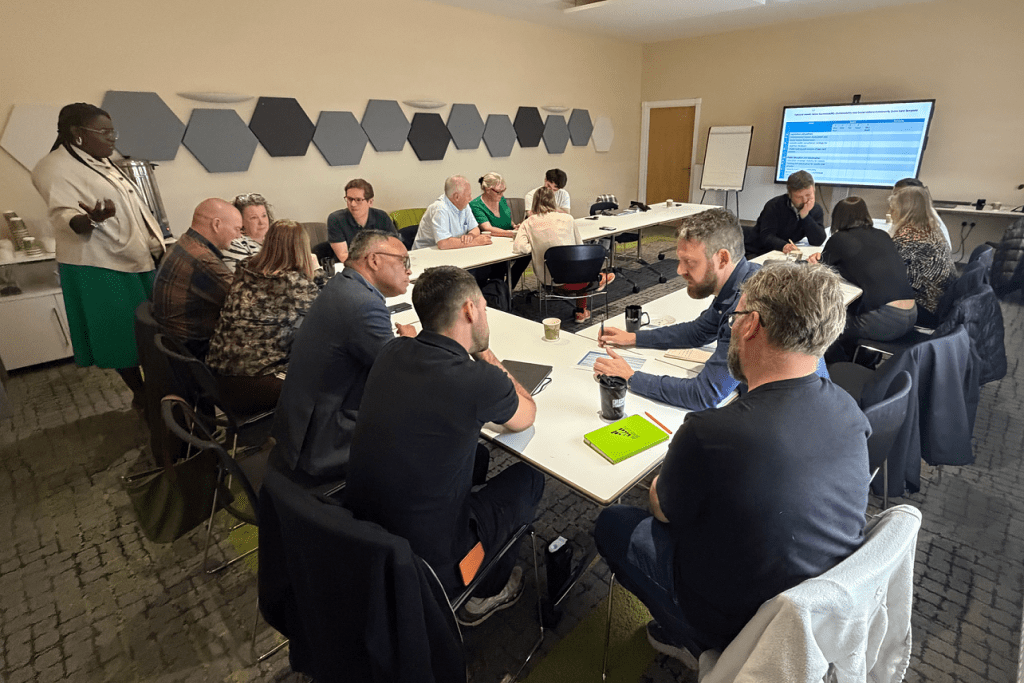
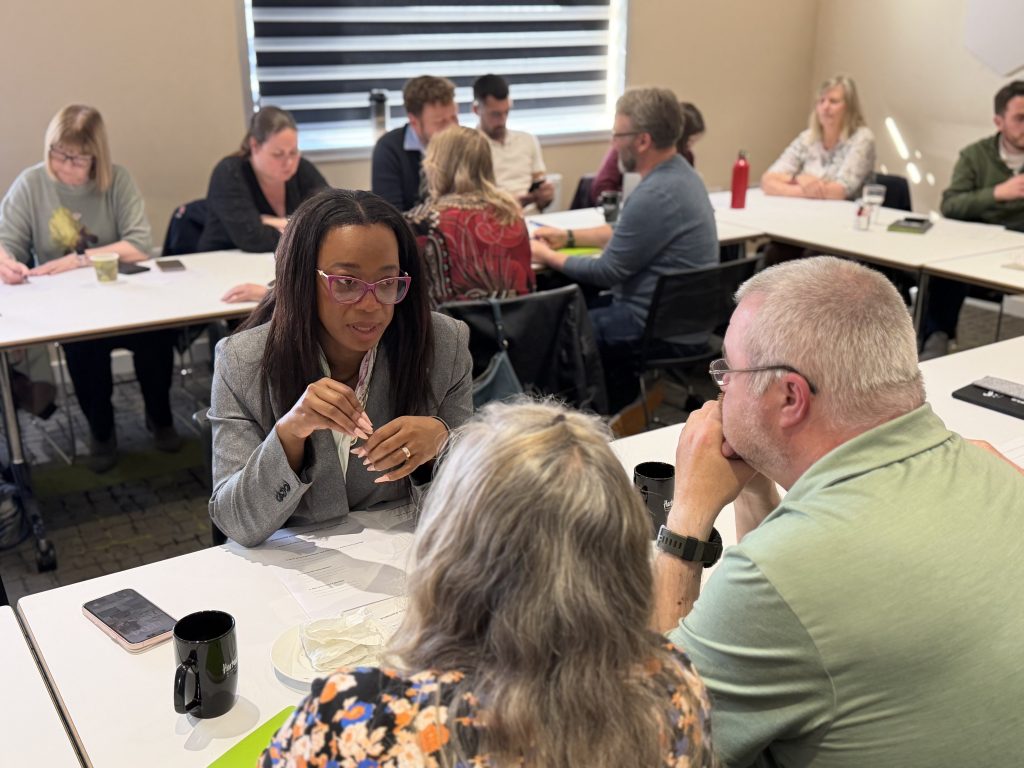
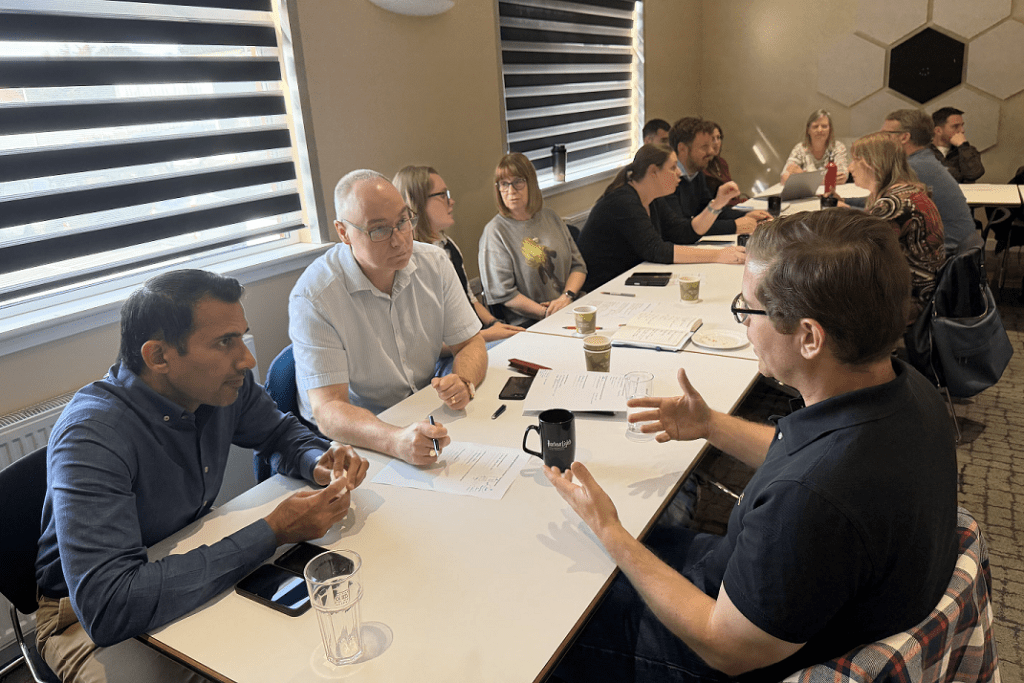
Besides the presentations from the speakers, oil, telecommunications, and sustainability each had workshop days where a cross-section of FIG representatives, associative bodies, businesses, and Members of the Legislative Assembly (MLAs) were present to review current constraints on the Falkland Islands with oil pending, and if there are realistic means of overcoming those constraints for both the government and the private sector.
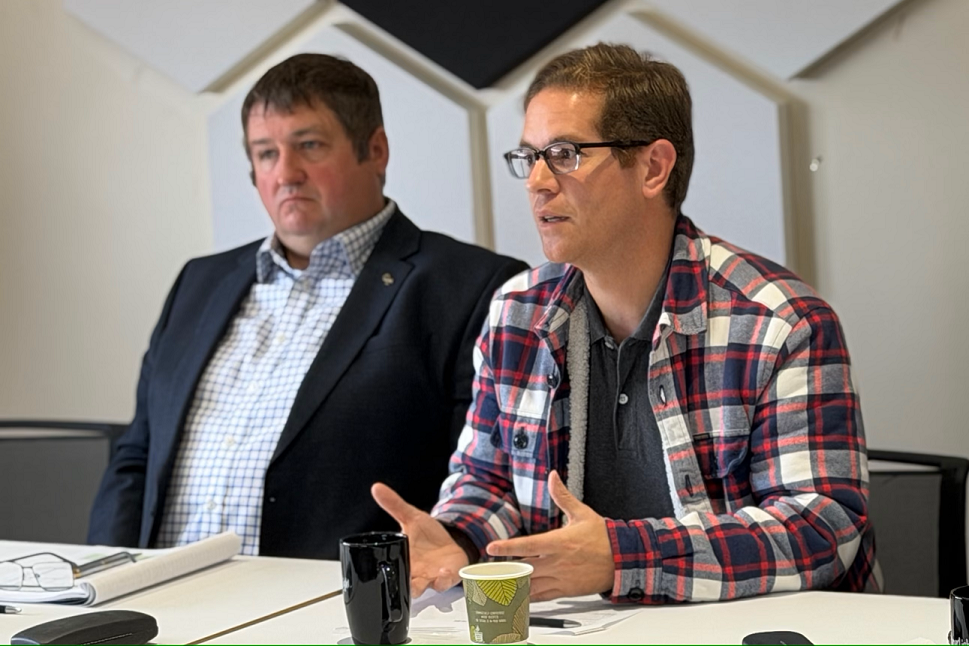
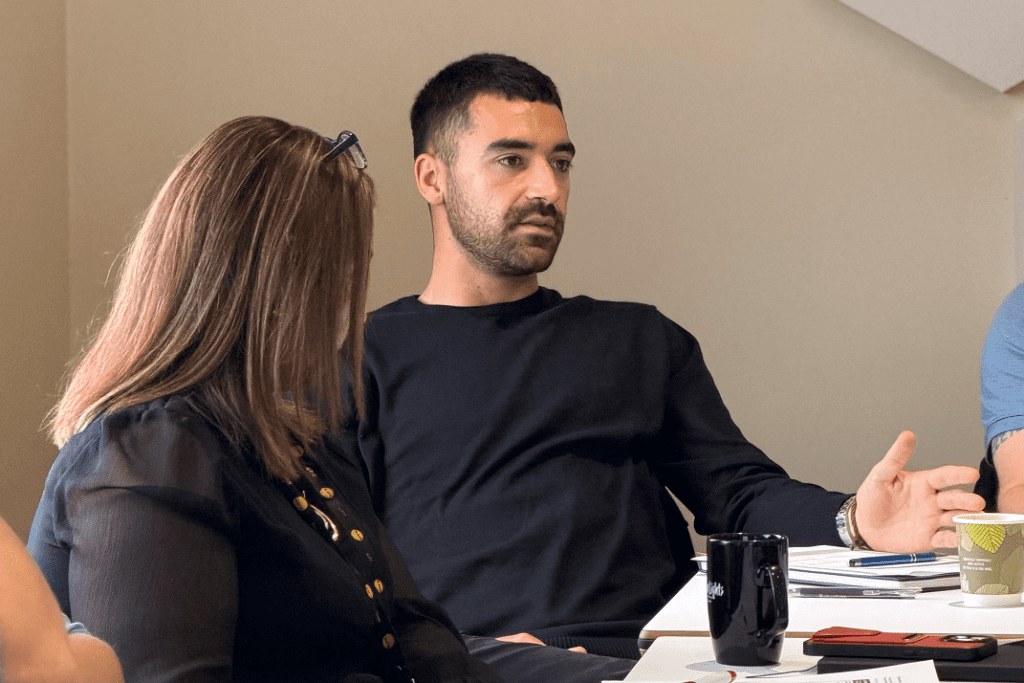
Franklin kicked off the Economic Development Forum presentations by providing an update on FIDC’s corporate plan, which is in year two of its five-year time frame, and takes FIDC through 30 June 2029. Additional speakers to the Economic Development Forum included Maeve Lamosa-Daly, Director of Policy, Economy, and Corporate Services for the Falkland Islands Government (FIG).
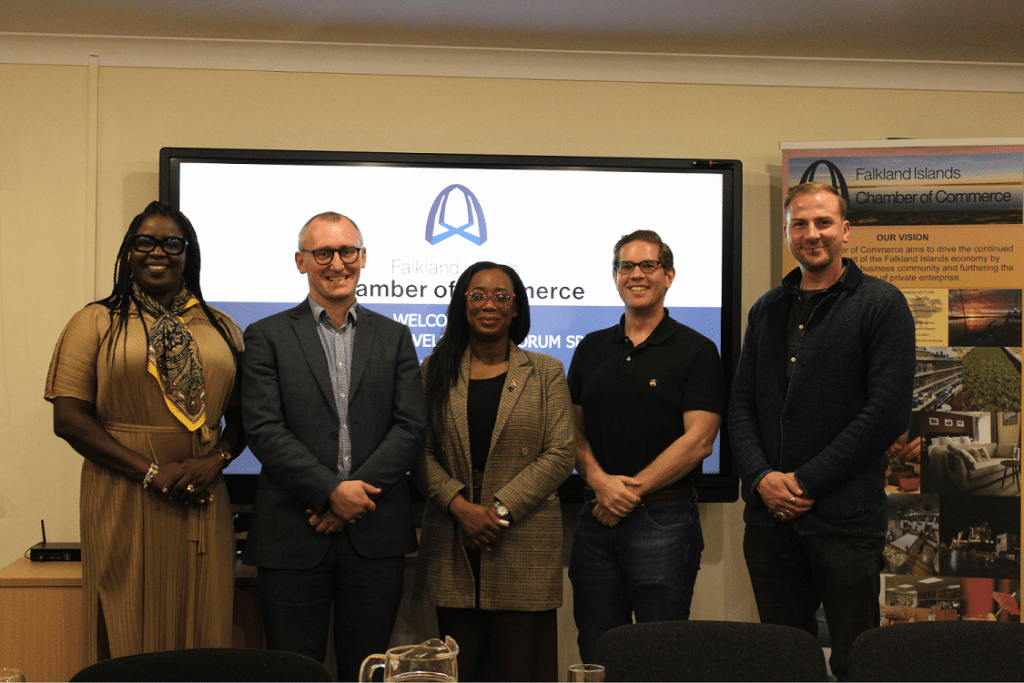
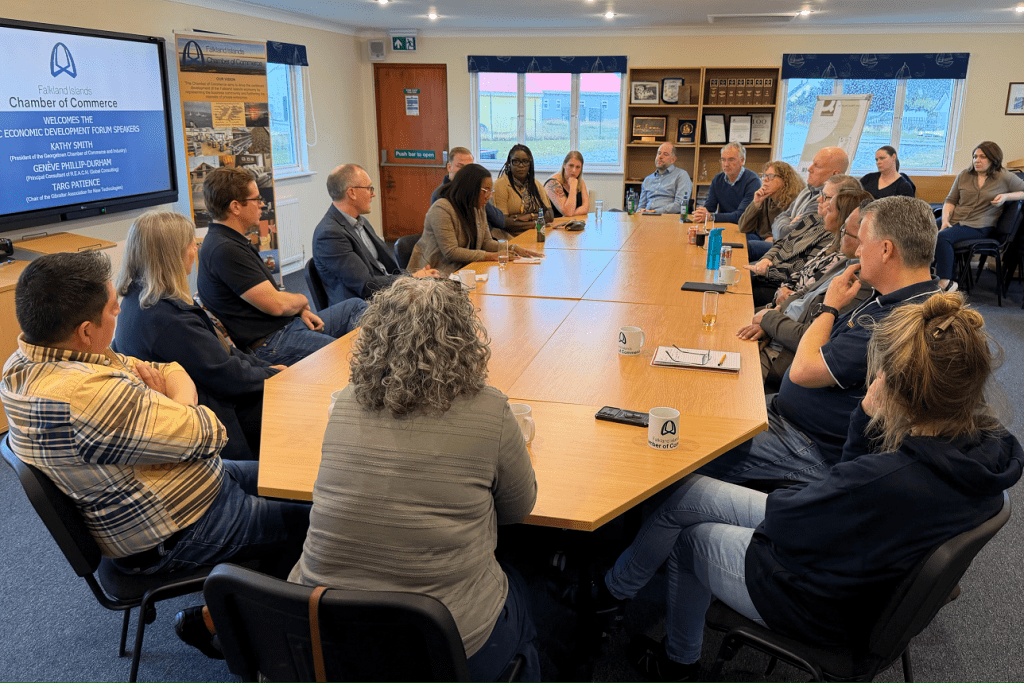
Outside of the Economic Development Forum, the speakers availed themselves to government directorates, associative bodies and businesses throughout the week they were in the Falkland Islands. To start the week, the Chamber of Commerce held a roundtable discussion for the three speakers along with approximately 20 members in attendance, which allowed the speakers to set the scene for both their presentations and workshop sessions.
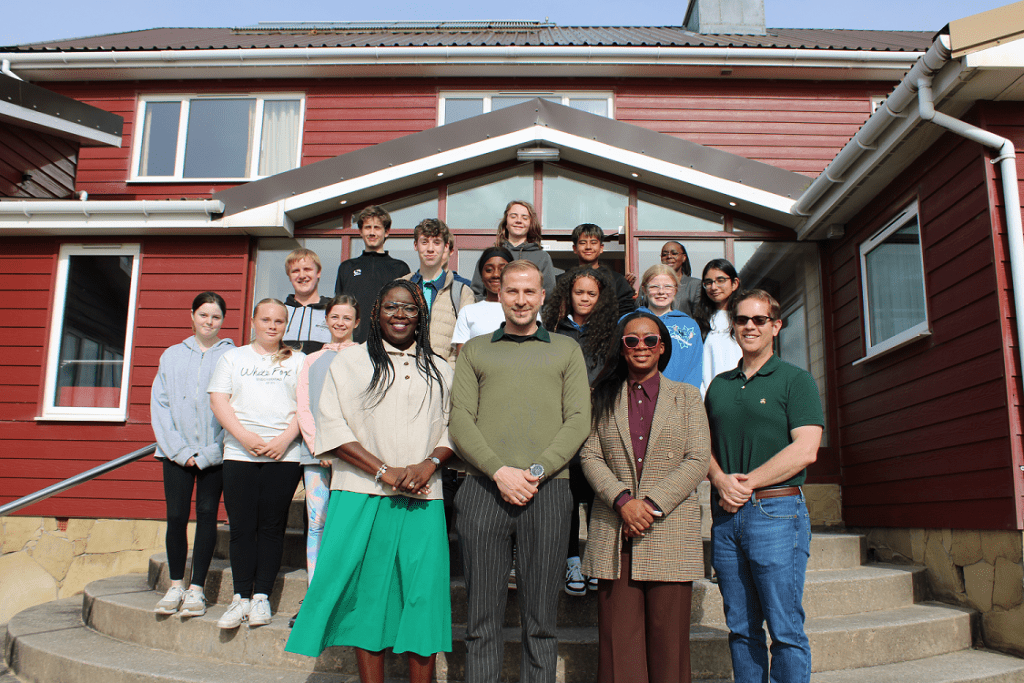
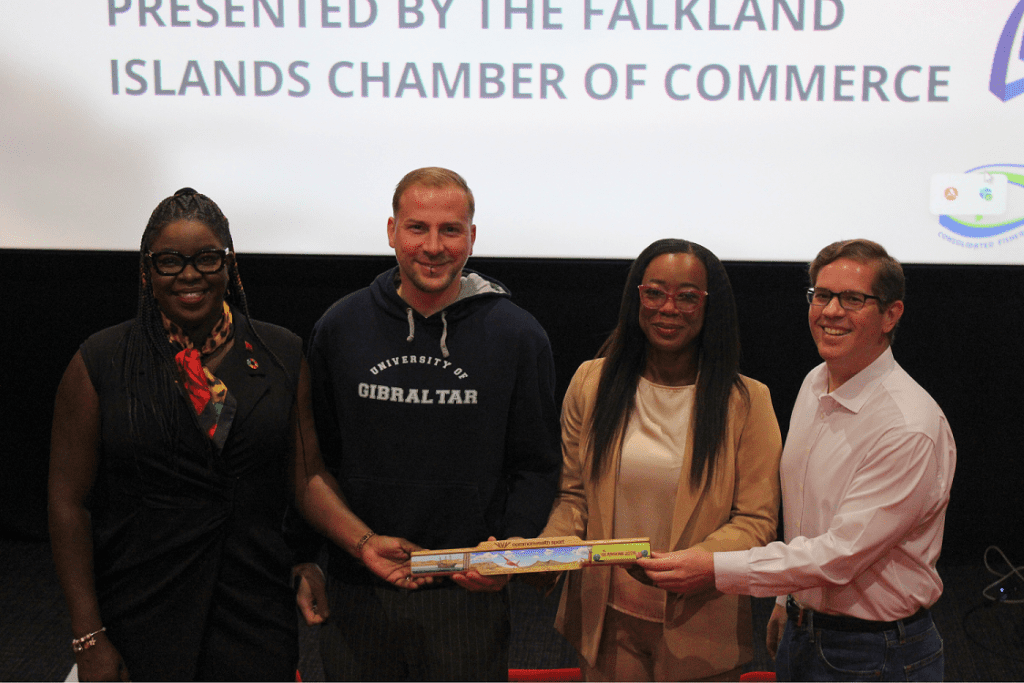
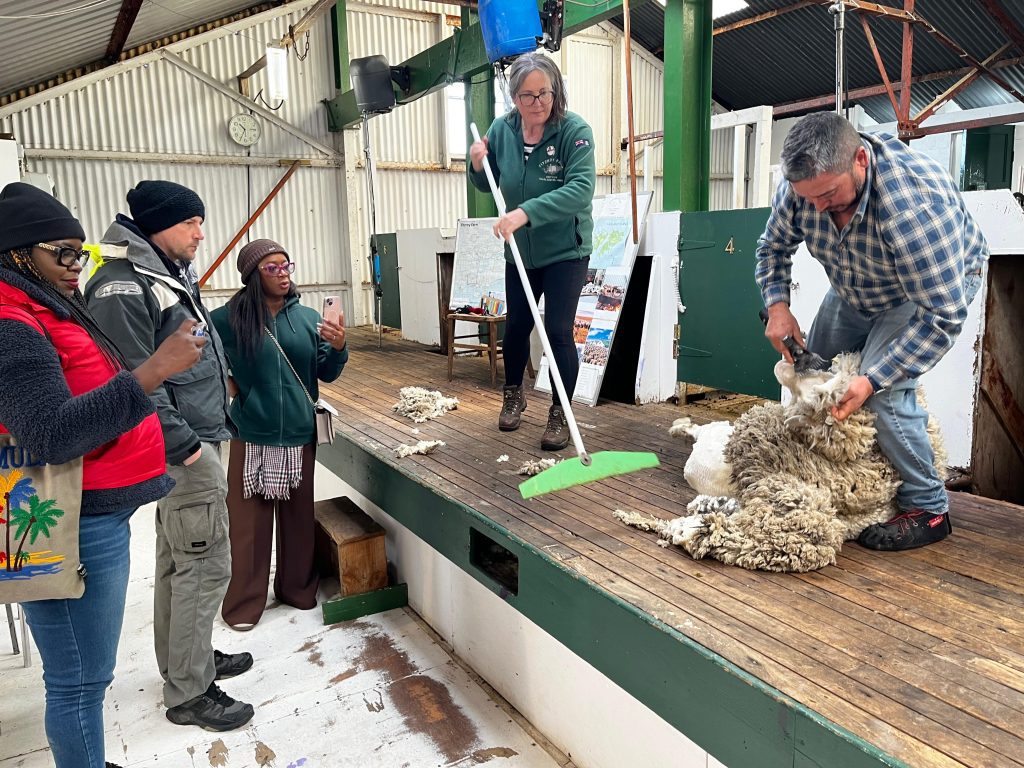
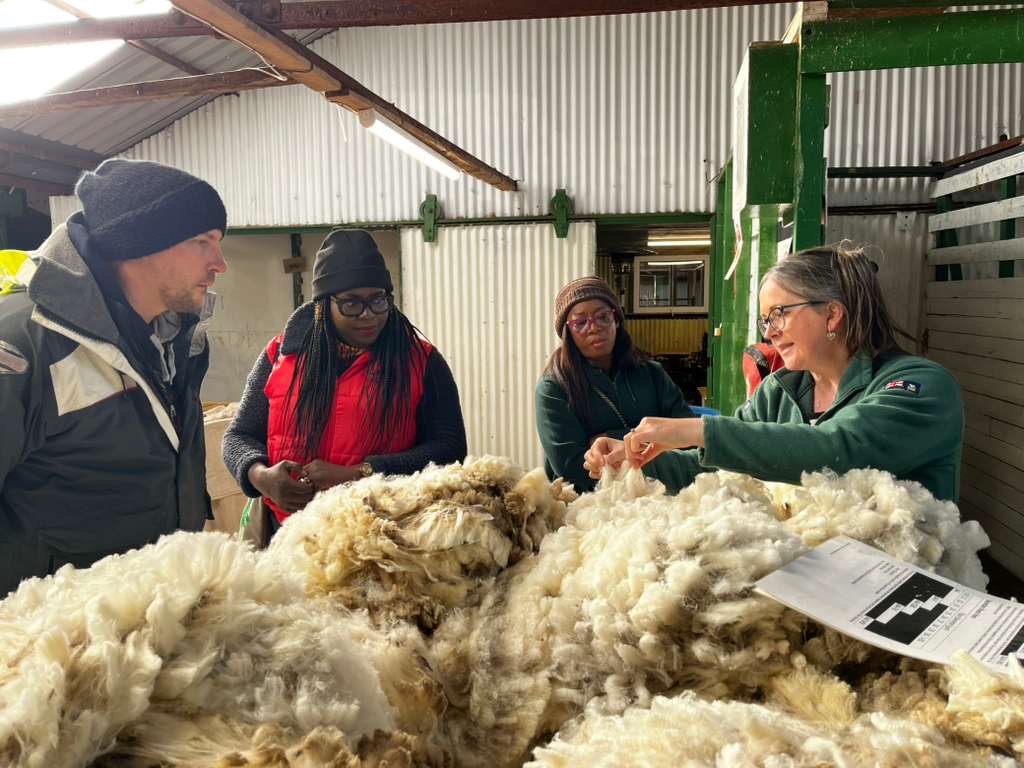
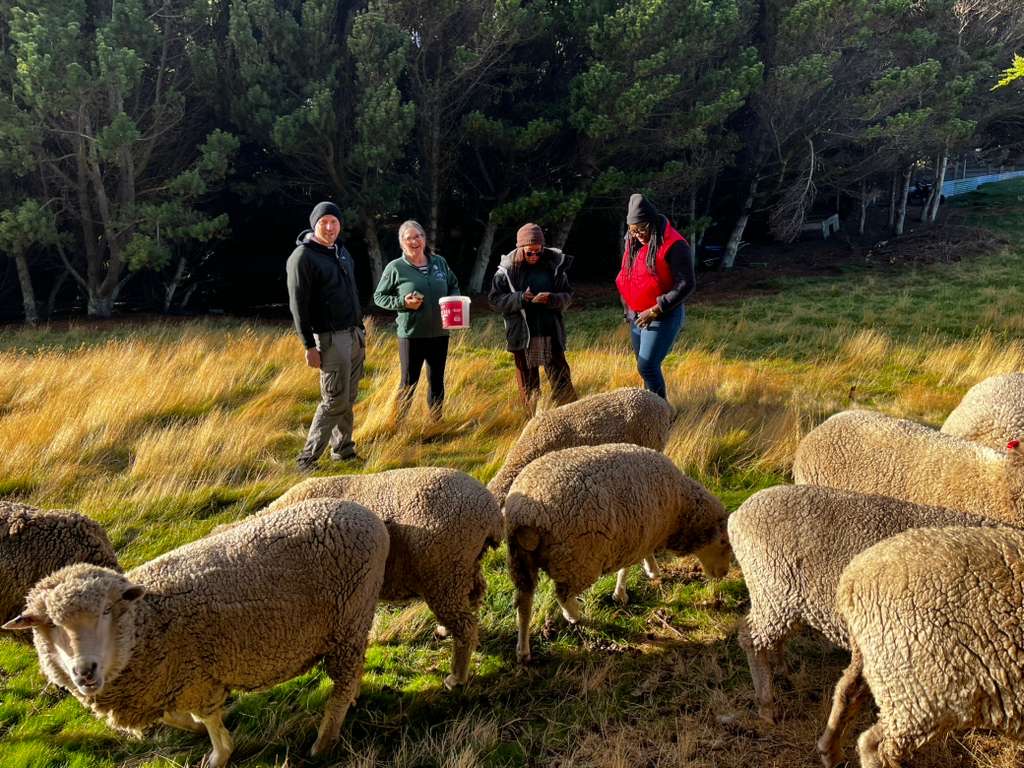
Additionally, the speakers hosted a lunch with students of the Youth Parliament, were the judges on the Year 5 Enterprise Programme for the FIDC-led Youth Entrepreneurship Scheme (YES), hand a chance to hold the Commonwealth Games Baton and were able to visit Suzi and Gilberto Castro at Fitzroy Farm to see a shearing and wool handling demonstration.
Thank you to our Headline Sponsor the Falkland Islands Chamber of Commerce, Sponsors Consolidated Fisheries Ltd and Sure South Atlantic Ltd.
All presentations from the Economic Development Forum were livestreamed, presentation materials from the three speakers are available upon request. Please contact FIDC directly by email at communications@fidc.co.fk